The Growing Threat of Cybercrime
Lost to fraud in 2023 (USA)
Lost by seniors (60+) in 2023
Phishing emails sent daily
Americans fall victim to scams
The Evolution of Cybersecurity
From simple computer viruses to sophisticated AI-powered attacks, cybersecurity threats have evolved dramatically over the decades.
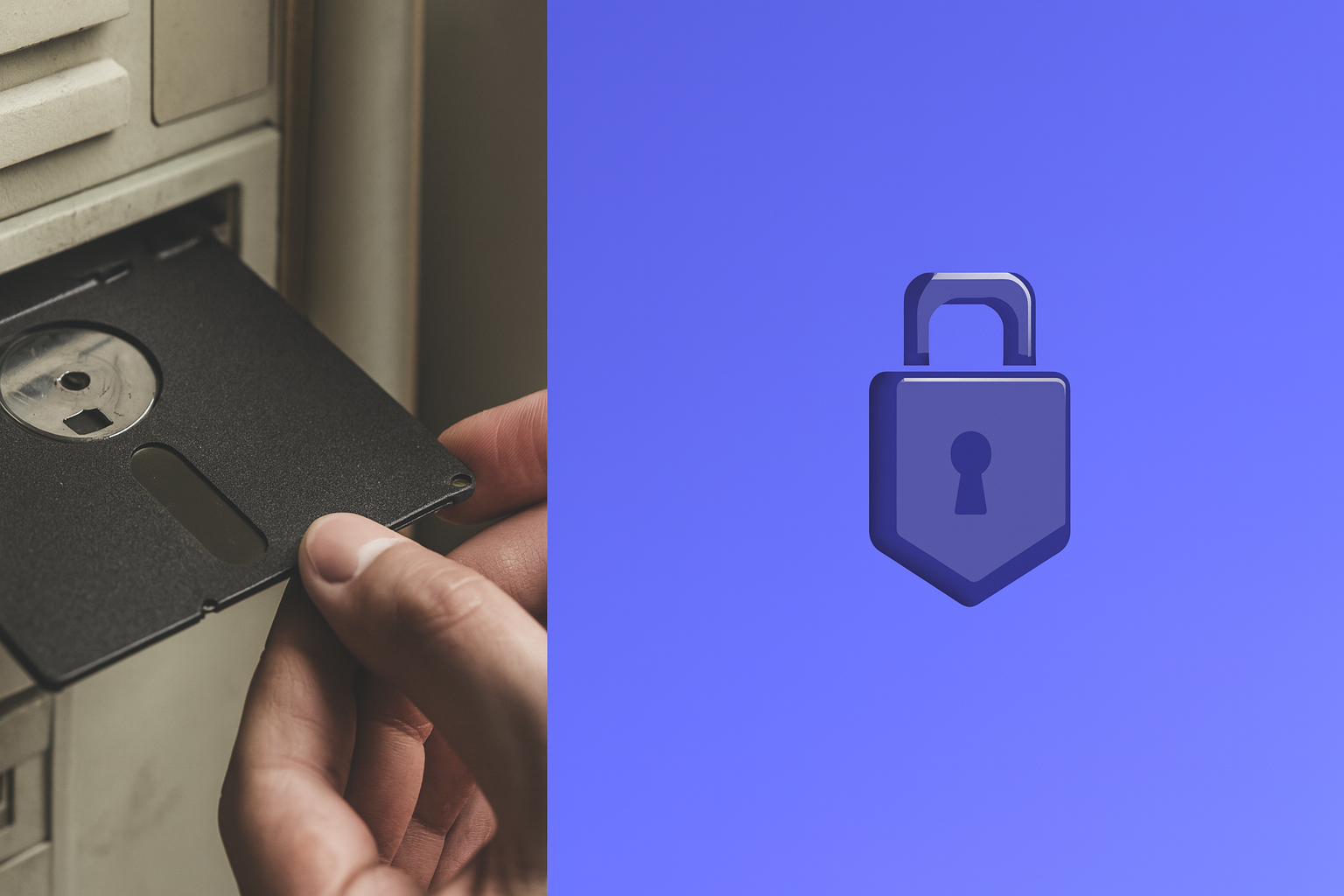
The First Computer Viruses
The Creeper virus (1971) and later the Morris Worm (1988) marked the beginning of malicious software. Security was an afterthought, with most systems having minimal protection.

Rise of the Internet & Email Scams
As internet adoption grew, email phishing and early identity theft emerged. The "Nigerian Prince" scam became infamous. Antivirus software became essential.
Social Media & Mobile Threats
Smartphones and social media created new attack vectors. Ransomware attacks surged. Data breaches exposed millions of personal records. Two-factor authentication became crucial.


AI-Powered Attacks & Deepfakes
Cybercriminals now use AI to create convincing scams, deepfake videos, and sophisticated phishing. Remote work expanded the attack surface. Cybersecurity has become everyone's responsibility.
How People Get Scammed
Understanding common tactics helps you recognize and avoid scams. Here are the most prevalent methods scammers use:
Phishing & Email Scams
Fake emails pretending to be from banks, government agencies, or trusted companies. They create urgency ("Your account will be closed!") to trick you into clicking malicious links or sharing passwords.
Phone & Robocall Scams
Scammers impersonate IRS agents, tech support, or loved ones in distress. They use caller ID spoofing to appear legitimate and pressure you to send money or share information immediately.
Romance & Social Media Scams
Scammers build fake relationships on dating apps or social media, gain your trust over weeks or months, then ask for money for emergencies, travel, or investments. They exploit emotional connections.
Tech Support Scams
Pop-ups claim your computer is infected. Fake "technicians" call saying they detected problems. They charge for unnecessary services, install malware, or steal personal data and passwords.
Prize & Lottery Scams
"You've won a prize!" scams claim you won a lottery you never entered. To collect, you must pay fees, taxes, or provide bank details. Real lotteries never ask for upfront payment.
Grandparent & Impersonation Scams
Scammers call pretending to be a grandchild or family member in urgent trouble—arrested, hospitalized, or stranded. They beg for immediate money via wire transfer or gift cards and ask you not to tell anyone.
Stay Protected
Remember: Legitimate organizations will never pressure you for immediate action, ask for payment via gift cards or wire transfers, or request your passwords. When in doubt, verify independently.